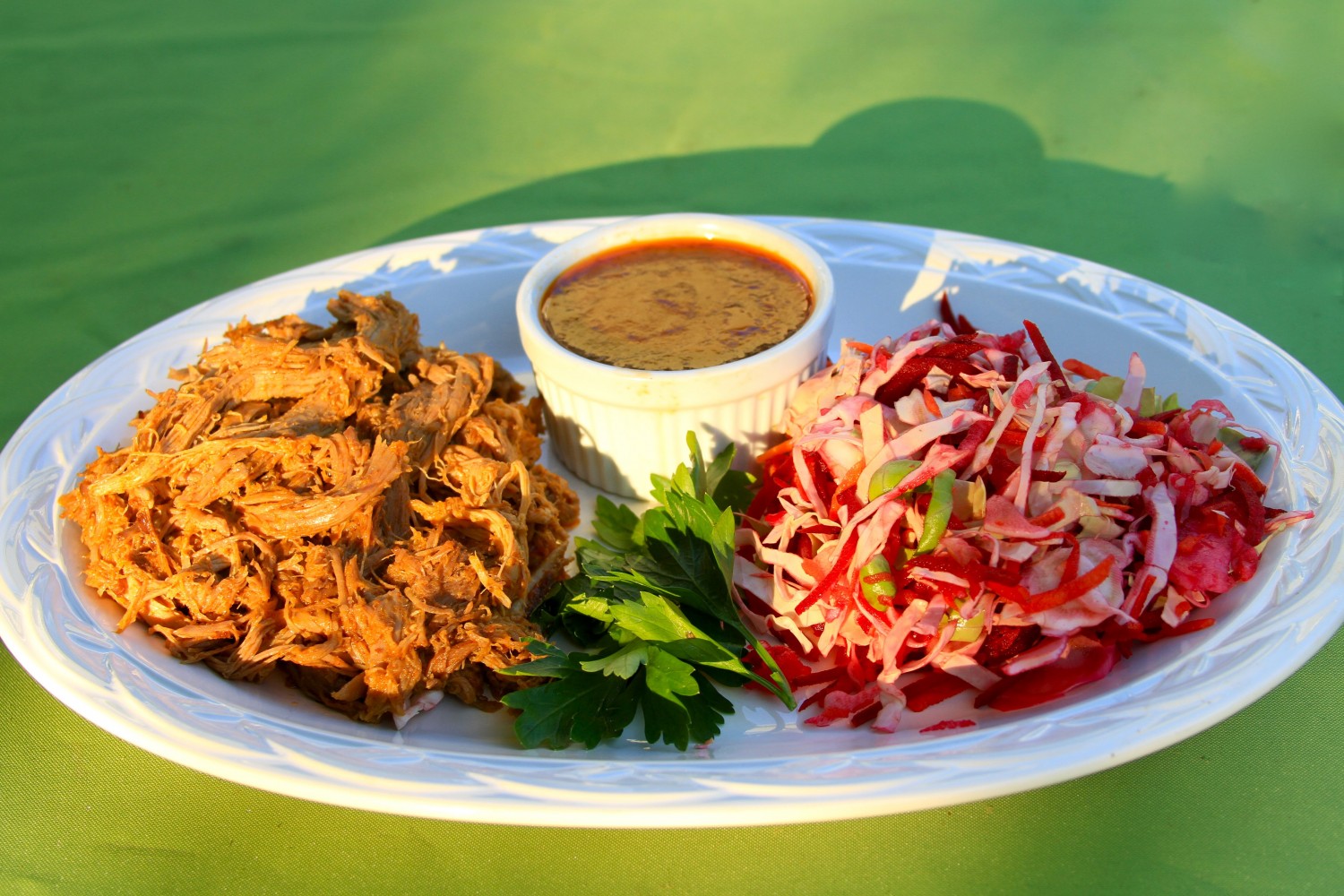
138+ Dinner Recipes Beef Cubes

Homemade easy quick dinner idea eatwhatweeat.com

Introduction: Unleash Your Creativity DIY String Art! String art is a fun and accessible craft that allows you to create beautiful geometric designs using just a few simple materials. This guide will walk you through the process step-by-step, so you can make your own stunning piece of art. It's a great project for all ages and skill levels!
Materials You'll Need:
  • A piece of wood (any size you prefer; a finished piece looks more professional, but you can paint it too)
  • Nails (small and thin, with heads)
  • Hammer
  • String or embroidery floss (various colors are fun!)
  • A template or design (optional, but helpful for beginners)
  • Scissors
  • Pliers (optional, for removing nails if needed)
  • Step 1: Prepare Your Wood Begin by sanding the wood if it is rough. If desired, paint or stain the wood to your liking and allow it to dry completely before proceeding. This provides a polished base for your string art.
    Step 2: Transfer Your Design (Optional) If you are using a template, center it on the wood. You can secure it with tape. If you are creating your own design, lightly sketch it onto the wood with a pencil.
    Step 3: Hammer in the Nails Carefully hammer the nails into the wood along the lines of your design. Space the nails evenly, about 1/4 to 1/2 inch apart. Make sure the nails are driven in deep enough to be secure, but leave enough nail exposed to wrap the string around. Consistency in nail height is key for a professional look.
    Step 4: Remove the Template (If Used) Once all the nails are in place, carefully tear away the paper template. If small pieces of paper remain trapped under the nails, use tweezers or pliers to remove them.
    Step 5: Stringing the Design Tie the end of your string securely to one of the nails. This will be your starting point. Now, begin wrapping the string around the nails in a random or planned pattern. Experiment with different techniques: you can go back and forth between opposite nails, create spirals, or fill in specific areas. The possibilities are endless!
    Step 6: Creating Depth and Texture As you wrap the string, try varying the tension to create different effects. Looser strings will sag and create a more relaxed look, while tighter strings will create sharp lines. Don't be afraid to overlap strings and experiment with different colors to add depth and texture to your design.
    Step 7: Securing the End When you are satisfied with your design, tie the end of the string securely to a nail. Trim off any excess string with scissors. You can also add a small dab of glue to the knot for extra security.
    Step 8: Finishing Touches Inspect your string art for any loose ends or uneven sections. Use scissors to trim any stray strings and pliers to adjust the placement of any nails if needed.
    Conclusion: Admire Your Creation! Congratulations, you've created your own unique piece of string art! Hang it on a wall, display it on a shelf, or give it as a personalized gift. With a little practice, you'll be amazed at the beautiful and intricate designs you can create. Enjoy your new artistic endeavor!

    Classic Thanksgiving Menu And Recipes

    Classic thanksgiving menu and recipes www.thespruceeats.com

    Homemade Easy Quick Dinner Idea

    Homemade easy quick dinner idea eatwhatweeat.com

    Healthy Dinner Ideas

    Healthy dinner ideas www.spoonforkbacon.com
    Read More..

    104+ Sabatino's Paleo Chicken Sausage Recipes

    Homemade paleo chicken sausage & a messy bun brimckoy.com

    Introduction: Getting Started with DIY Projects Hello there! Are you ready to unleash your inner creative and embark on a fun DIY adventure? This guide will walk you through a simple yet satisfying project – crafting your very own personalized photo coasters. Not only are these coasters functional, protecting your surfaces from unsightly rings, but they also make wonderful, thoughtful gifts for friends and family. Let's gather our supplies and get started!
    Supplies You'll Need: Before we dive in, let's make sure you have everything you need. This will make the process smooth and enjoyable. Here's a list of essentials:
    • 4 plain ceramic or tile coasters (available at most craft stores or home improvement centers)
    • Mod Podge (gloss or matte finish, depending on your preference)
    • Foam brush or soft-bristled paint brush
    • Photos printed to fit the size of your coasters (measure first!)
    • Scissors or a craft knife
    • Ruler or straight edge
    • Felt pads (for the bottom of the coasters, optional but recommended)
    Step 1: Preparing Your Photos The first step is to prepare your photos. Precise cutting is key to a professional-looking finished product.
  • Measure the surface area of your coasters carefully.
  • Use a photo editing program on your computer (or a ruler and pencil) to crop and resize your chosen photos to perfectly fit the coaster dimensions.
  • Print your photos on regular paper or photo paper, ensuring the print quality is good.
  • Using scissors or a craft knife and ruler, carefully cut out each photo, staying just inside the printed lines for a clean edge. Accuracy here is essential.
  • Step 2: Applying the Photos to the Coasters Now comes the fun part: attaching the photos to the coasters. This is where the Mod Podge magic happens!
  • Ensure your coasters are clean and dry.
  • Apply a thin, even layer of Mod Podge to the surface of one coaster using your foam brush.
  • Carefully position the cut-out photo onto the Mod Podge-covered coaster, making sure it's centered and aligned correctly.
  • Gently press the photo down to remove any air bubbles. A credit card or brayer can be helpful for this. Start from the center and work your way outwards.
  • Repeat this process for all four coasters.
  • Step 3: Sealing and Protecting Your Coasters Once the photos are attached, it's crucial to seal them with more Mod Podge to protect them from moisture and wear.
  • Let the Mod Podge dry completely (usually about 15-20 minutes).
  • Apply a thin, even layer of Mod Podge over the entire surface of each coaster, covering the photo completely. This is your sealant.
  • Let the coasters dry completely again.
  • Apply a second coat of Mod Podge and let dry. For added durability, you can apply a third coat.
  • Allow the coasters to cure for at least 24 hours before using them. This will ensure the Mod Podge is fully hardened and waterproof.
  • Step 4: Adding Felt Pads (Optional) To prevent your coasters from scratching surfaces, consider adding felt pads to the bottom.
  • Cut small squares or circles of felt to fit the corners of each coaster.
  • Peel off the backing from the felt pads (if they are self-adhesive) and stick them securely to the bottom of each coaster. Alternatively, use a dab of strong glue.
  • Conclusion: Enjoy Your Personalized Coasters! Congratulations! You've successfully created your own personalized photo coasters. They are not only functional but also add a personal touch to your home decor or make a thoughtful, handmade gift. Enjoy using them or gifting them to your loved ones. You can experiment with different photos, paper types, and Mod Podge finishes to create a variety of unique coaster sets. Happy crafting!

    Homemade Paleo Chicken Sausage & A Messy Bun

    Homemade paleo chicken sausage & a messy bun brimckoy.com

    We Were Underwhelmed By Sabatino's Paleo Chicken Sausage From Costco

    We were underwhelmed by sabatino's paleo chicken sausage from costco shoppingwithdave.com

    Paleo Breakfast Sausage

    Paleo breakfast sausage www.realfoodwithjessica.com
    Read More..

    93+ Paleo Shredded Chicken Recipes

    Things to know about paleo diet healthwire.pk

    Introduction: Delicious and Easy DIY Paleo Shredded Chicken This post will guide you through creating your own Paleo-friendly shredded chicken. It's a versatile staple that can be used in salads, soups, lettuce wraps, and more. It's incredibly simple to make, requiring minimal ingredients and effort. Get ready to have a batch of healthy and delicious shredded chicken ready to go!
    Step 1: Gather Your Ingredients Before you begin, make sure you have everything you need. You'll need:
    • Boneless, skinless chicken breasts (about 2-3 pounds)
    • Chicken broth (enough to cover the chicken)
    • Salt and pepper (to taste)
    • Optional: Garlic powder, onion powder, paprika, or other Paleo-friendly spices
    Step 2: Prepare the Chicken Place the chicken breasts in a large pot or slow cooker. If using a pot, ensure it's large enough to hold the chicken and the broth comfortably. Season the chicken generously with salt, pepper, and any optional spices you've chosen.
    Step 3: Add the Broth Pour the chicken broth over the chicken breasts, ensuring they are completely submerged. If using a pot, bring the broth to a boil, then reduce the heat to a simmer. If using a slow cooker, cook on low for 6-8 hours or on high for 3-4 hours.
    Step 4: Cook the Chicken If simmering on the stovetop, cook for approximately 20-25 minutes, or until the chicken is cooked through and easily shreds with a fork. The internal temperature should reach 165°F (74°C). If using a slow cooker, ensure the chicken is easily shreddable.
    Step 5: Shred the Chicken Once the chicken is cooked, remove it from the pot or slow cooker and place it in a large bowl. Using two forks, shred the chicken by pulling it apart. Be careful, as the chicken will be hot. Alternatively, you can use a stand mixer with the paddle attachment on low speed to shred the chicken. Be careful not to over-shred.
    Step 6: Enjoy or Store Add a little of the cooking broth back into the shredded chicken to keep it moist. Use the shredded chicken immediately in your favorite Paleo recipes or store it in an airtight container in the refrigerator for up to 3-4 days. You can also freeze it for longer storage.
    Conclusion: Versatile and Healthy Paleo Staple Congratulations! You've successfully made your own Paleo shredded chicken. This versatile ingredient is perfect for quick and healthy meals. Experiment with different spices and herbs to create unique flavor profiles and enjoy the convenience of having delicious, ready-to-use shredded chicken on hand.

    The Paleo Diet For Beginners

    The paleo diet for beginners betterafter50.com

    What To Eat And What Not To Eat On The Paleo Diet

    What to eat and what not to eat on the paleo diet www.staterbros.com

    Things To Know About Paleo Diet

    Things to know about paleo diet healthwire.pk
    Read More..

    200+ Whole Chicken Paleo Recipes

    Is 0 a whole number? (instant answer) — mashup math www.mashupmath.com

    Opening: Craving Chicken? Let's Make it Paleo! Are you on a Paleo diet and constantly searching for delicious and healthy recipes? Look no further! This guide will walk you through creating your own resource of 200+ Whole Chicken Paleo Recipes. It's all about organization and utilizing online tools to build your personal Paleo recipe collection. Ready to become a Paleo chicken recipe master? Let's get started!
    Step 1: Gathering Your Paleo Chicken Recipe Ideas The first step involves gathering recipes. The internet is your best friend here. Search for phrases like "Paleo whole chicken recipe," "Paleo roast chicken," "Paleo chicken soup," "Whole 30 chicken recipes," and "Paleo chicken casserole." Cast a wide net! As you find recipes that look interesting, copy the URLs (web addresses) of the recipe pages.
    Step 2: Choosing Your Organization Method (Spreadsheet is Recommended) You need a place to store and organize all those recipe links. A spreadsheet program like Google Sheets (free and accessible) or Microsoft Excel is highly recommended. Alternatives include dedicated note-taking apps like Evernote or OneNote, but spreadsheets offer better sorting and filtering capabilities. For this guide, we'll focus on using Google Sheets.
    Step 3: Setting Up Your Google Sheet Open Google Sheets and create a new spreadsheet. Label the first few columns clearly. Suggested column headers:
    • Recipe Name: Enter the name of the dish.
    • URL: Paste the web address of the recipe here.
    • Source: Name of the website (e.g., "Paleo Grubs," "Nom Nom Paleo").
    • Prep Time: Estimated preparation time.
    • Cook Time: Estimated cooking time.
    • Ingredients: List a few of the key ingredients (optional, but helpful).
    • Notes: Any personal notes about the recipe (e.g., "tried it, added garlic powder," "make again!").
    You can add more columns as needed to suit your personal preferences (e.g., dietary restrictions beyond Paleo, spice level, ease of preparation).
    Step 4: Populating Your Spreadsheet with Recipes Now comes the fun part! Start systematically going through the recipe URLs you gathered in Step 1. For each recipe, fill in a row in your spreadsheet with the relevant information from the recipe page. Copy and paste the recipe name, URL, website source, prep time, cook time, and a few key ingredients. Don't forget to add any initial notes about the recipe based on the website's description or your first impressions. Repeat this process until you have at least 200 recipes (or your desired number). This will take time, so break it into smaller sessions.
    Step 5: Utilizing Spreadsheet Features for Efficiency Google Sheets has several features to help you manage your growing recipe collection:
    • Sorting: Sort your recipes by prep time, cook time, or ingredients to find recipes that fit your schedule or dietary needs.
    • Filtering: Filter your recipes to find specific ingredients or recipes from a particular website.
    • Data Validation (Optional): Use data validation to create dropdown menus for categories like "Cuisine" (e.g., American, Italian, Asian) or "Protein Cut" (e.g., Breast, Thigh, Whole). This makes filtering and sorting even easier.
    Step 6: Testing and Refining Your Collection As you try out recipes from your collection, update the "Notes" column with your feedback. Did you like the recipe? Did you make any modifications? Would you make it again? This is crucial for personalizing your recipe resource and making it truly useful.
    Step 7: Continuous Expansion and Maintenance Creating a recipe collection is an ongoing process. Continue to search for new Paleo whole chicken recipes and add them to your spreadsheet. Regularly review and update your existing entries based on your experiences. The more you use and refine your collection, the more valuable it will become.
    Conclusion: Your Personalized Paleo Chicken Recipe Powerhouse Congratulations! You've now created a comprehensive resource of over 200 Paleo whole chicken recipes, tailored to your specific tastes and needs. By organizing and managing your recipes in a spreadsheet, you can easily find the perfect chicken dish for any occasion. Enjoy the delicious journey of exploring the world of Paleo cooking!

    Is 0 A Whole Number? (instant Answer) — Mashup Math

    Is 0 a whole number? (instant answer) — mashup math www.mashupmath.com

    Whole Grain Healthy Snacks At Timothy Gordon Blog

    Whole grain healthy snacks at timothy gordon blog storage.googleapis.com

    Whole Foods Category Review Schedule 2024 Dates

    Whole foods category review schedule 2024 dates giselaymodestine.pages.dev
    Read More..

    109+ Chicken Recipes Rotisserie

    Change your cooking routine with these 24 quick chicken ideas lowcarbafrica.com

    ```html
    Introduction: Unleash Your Inner Crafter! Ready to dive into a fun and rewarding DIY project? We're going to create something awesome together, step-by-step. Get ready to transform simple materials into something you can be proud of. Let's get started!
    Materials You'll Need: Gather your supplies! These are the essentials for our project:
  • Cardboard (various sizes, depending on your desired scale)
  • Scissors or a craft knife (adult supervision required if using a craft knife)
  • Glue (hot glue gun recommended for faster bonding, but regular craft glue works too)
  • Ruler or measuring tape
  • Pencil or marker
  • Optional: Paint, markers, decorative paper, embellishments for customizing your creation
  • Step 1: Planning and Design First, visualize what you want to create. Sketch out your design on paper, noting the dimensions of each component. This will serve as your blueprint. Consider the overall size and the individual pieces needed.
    Step 2: Cutting the Cardboard Carefully cut out the cardboard pieces according to your plan. Use a ruler and pencil to mark accurate lines before cutting. Remember to take your time and prioritize safety, especially when using a craft knife. If using scissors, make sure they are sharp enough to cut through the cardboard cleanly.
    Step 3: Assembling the Base Structure Start by assembling the main structure of your creation. This might involve gluing together larger pieces to form the base or frame. Ensure the joints are secure by applying ample glue and holding them in place until the glue sets. Hot glue works faster, but be cautious of burns. Craft glue requires more patience.
    Step 4: Adding Details and Features Once the base is sturdy, begin adding the finer details and features. This could involve attaching smaller cardboard pieces to create specific shapes or adding decorative elements. Refer to your plan frequently to ensure accuracy.
    Step 5: Strengthening and Reinforcing After adding the details, reinforce any weak points or areas that require extra support. This will help ensure the durability of your creation. Add extra glue or small cardboard pieces to strengthen joints and prevent them from collapsing.
    Step 6: Customization and Decoration Now comes the fun part – customizing your creation! Use paint, markers, decorative paper, or any other embellishments to bring your vision to life. Let your creativity flow and personalize it to your liking. Consider adding textures, patterns, and colors that reflect your style.
    Step 7: Final Touches and Finishing Inspect your finished creation for any imperfections or areas that need adjustment. Make any necessary corrections and ensure that all the pieces are securely attached. Allow the glue and paint to dry completely before handling it extensively.
    Conclusion: Admire Your Handiwork! Congratulations! You've successfully created something amazing from simple cardboard. This is the moment to step back and appreciate the effort and creativity you put into this project. Display your DIY masterpiece proudly, or use it as a starting point for more elaborate creations in the future!
    ```

    Change Your Cooking Routine With These 24 Quick Chicken Ideas

    Change your cooking routine with these 24 quick chicken ideas lowcarbafrica.com

    Creamy Spicy Chicken Pasta

    Creamy spicy chicken pasta www.cookinwithmima.com

    Oven Roasted Chicken Thighs And Veg At Kay Sanchez Blog

    Oven roasted chicken thighs and veg at kay sanchez blog giowcencw.blob.core.windows.net
    Read More..

    40+ Dinner Recipes South Indian Vegetarian

    Easy healthy dinner recipes ar.inspiredpencil.com

    ```html
    Introduction: A Culinary Journey to South India Welcome to a delightful journey into the heart of South Indian vegetarian cuisine! This post will guide you through creating some classic and easy-to-prepare dinner recipes that are bursting with flavor. Get ready to explore the vibrant spices and unique textures that define South Indian cooking.
    Recipe 1: Sambar with Rice Sambar, a lentil-based vegetable stew, is a staple in South Indian homes. Paired with steamed rice, it makes a comforting and wholesome dinner.
    Step 1: Preparing the Ingredients
    • 1 cup toor dal (split pigeon peas)
    • 2 cups mixed vegetables (e.g., okra, eggplant, drumsticks, carrots, onions)
    • 1 large tomato, chopped
    • 1 tbsp sambar powder
    • 1 tsp turmeric powder
    • 1/2 tsp asafoetida (hing)
    • Tamarind extract (from a lemon-sized ball of tamarind pulp)
    • Salt to taste
    • For Tempering: 2 tbsp oil, 1 tsp mustard seeds, 1 tsp cumin seeds, 2-3 dried red chilies, curry leaves
    Step 2: Cooking the Dal and Vegetables Wash the toor dal thoroughly and pressure cook it with 3 cups of water until soft. Mash it well. In a separate pot, cook the mixed vegetables with turmeric powder and salt until they are tender but not mushy.
    Step 3: Combining and Simmering Add the cooked vegetables, chopped tomato, sambar powder, asafoetida, and tamarind extract to the mashed dal. Bring the mixture to a boil and simmer for about 15-20 minutes, allowing the flavors to meld together. Adjust the consistency by adding more water if needed.
    Step 4: Tempering and Serving Heat oil in a small pan. Add mustard seeds, and when they splutter, add cumin seeds, dried red chilies, and curry leaves. Pour the tempering over the simmering sambar. Serve hot with steamed rice.
    Recipe 2: Vegetable Uthappam Uthappam is a thick, savory pancake made from dosa batter, topped with vegetables. It's a quick and satisfying dinner option.
    Step 1: Preparing the Ingredients
    • 2 cups dosa batter (store-bought or homemade)
    • 1/2 cup finely chopped onions
    • 1/2 cup finely chopped tomatoes
    • 1/4 cup finely chopped green chilies (adjust to taste)
    • 1/4 cup finely chopped coriander leaves
    • Oil for cooking
    • Salt to taste (if needed, since dosa batter usually has salt)
    Step 2: Mixing the Vegetables In a bowl, combine the chopped onions, tomatoes, green chilies, and coriander leaves.
    Step 3: Cooking the Uthappam Heat a flat griddle or pan over medium heat. Grease it lightly with oil. Pour a ladleful of dosa batter onto the griddle and spread it slightly to form a thick pancake. Sprinkle the vegetable mixture evenly over the uthappam. Gently press the vegetables into the batter.
    Step 4: Cooking and Serving Drizzle some oil around the edges of the uthappam. Cook until the bottom is golden brown. Flip the uthappam carefully and cook the other side until it is also golden brown and cooked through. Serve hot with coconut chutney or sambar.
    Recipe 3: Tomato Rice (Thakkali Sadam) Tomato rice is a flavorful and aromatic rice dish that is easy to make with readily available ingredients.
    Step 1: Preparing the Ingredients
    • 2 cups cooked rice (preferably day-old)
    • 2 large tomatoes, pureed
    • 1 large onion, finely chopped
    • 1 tsp ginger-garlic paste
    • 1/2 tsp turmeric powder
    • 1 tsp red chili powder (adjust to taste)
    • 1 tsp garam masala
    • 2 tbsp oil
    • 1 tsp mustard seeds
    • 1 tsp cumin seeds
    • A few curry leaves
    • Salt to taste
    • Chopped coriander leaves for garnish
    Step 2: Preparing the Tomato Base Heat oil in a pan. Add mustard seeds, and when they splutter, add cumin seeds and curry leaves. Add the chopped onion and sauté until golden brown. Add ginger-garlic paste and sauté for a minute until the raw smell disappears.
    Step 3: Cooking the Rice Add the tomato puree, turmeric powder, red chili powder, garam masala, and salt to the pan. Cook until the tomatoes are well-cooked and the oil starts to separate from the mixture. Add the cooked rice and mix well, ensuring that the rice is evenly coated with the tomato mixture.
    Step 4: Serving Cook for a few more minutes until the rice is heated through. Garnish with chopped coriander leaves and serve hot.
    Conclusion: A Taste of South Indian Flavors These three recipes offer a delicious glimpse into the world of South Indian vegetarian cuisine. They are relatively simple to prepare and can be easily adapted to your preferences. Enjoy exploring these vibrant flavors and creating memorable meals!
    ```

    Easy Healthy Dinner Recipes

    Easy healthy dinner recipes ar.inspiredpencil.com

    Dinner Party Recipes For Summer

    Dinner party recipes for summer www.nytimes.com

    Dinners Recipes: 54 Best Dinners Recipe Ideas To Get You Through The Week — Eatwell101

    Dinners recipes: 54 best dinners recipe ideas to get you through the week — eatwell101 www.eatwell101.com
    Read More..

    54+ Dinner Recipes Pasta

    Simple pasta dinner with walnuts, raisins and kale californiagrown.org

    Introduction: Unleash Your Inner Chef with Homemade Pasta! Craving a delicious and authentic pasta dish? Ditch the store-bought noodles and embark on a rewarding culinary journey by making your own pasta at home! It's easier than you think, and the taste is undeniably superior. This guide will walk you through a simple, step-by-step process to create fresh, flavorful pasta from scratch.
    What You'll Need: Gather Your Ingredients and Tools Before we begin, let's make sure you have everything required:
    • All-Purpose Flour (or Semola flour for a more traditional taste): 2 cups
    • Large Eggs: 2
    • Olive Oil: 1 tablespoon
    • Salt: 1/2 teaspoon
    • Water: 1-2 tablespoons (if needed)
    • Large Mixing Bowl
    • Fork
    • Rolling Pin (or Pasta Machine)
    • Clean, dry surface for kneading
    Step 1: Creating the Dough A Foundation of Flavor In your large mixing bowl, pour the flour and make a well in the center. Crack the eggs into the well. Add the olive oil and salt. Using a fork, gently whisk the eggs and oil together, gradually incorporating the flour from the sides of the well.
    Step 2: Kneading to Perfection Developing the Gluten Once the dough starts to come together, use your hands to form a ball. Turn the dough out onto a clean, lightly floured surface. Knead the dough for 8-10 minutes, or until it becomes smooth and elastic. If the dough is too dry, add a teaspoon of water at a time until it reaches the desired consistency. The dough should be firm but pliable.
    Step 3: Resting is Key Allowing the Dough to Relax Form the dough into a ball and wrap it tightly in plastic wrap. Let the dough rest at room temperature for at least 30 minutes, or up to an hour. This allows the gluten to relax, making it easier to roll out.
    Step 4: Rolling Out the Pasta Achieving the Desired Thickness Unwrap the dough and cut it into 4 equal pieces. Flatten one piece of dough into a disc. If using a rolling pin, roll the dough out as thinly as possible, rotating it frequently to maintain a circular shape. If using a pasta machine, start with the widest setting and gradually decrease the setting with each pass, until you reach your desired thickness.
    Step 5: Shaping Your Pasta From Sheets to Shapes Once the pasta sheet is rolled out, you can cut it into your desired shape. For fettuccine or tagliatelle, roll the sheet up loosely and then slice it into thin strips. For ravioli or tortellini, use cookie cutters or a knife to cut out squares or circles.
    Step 6: Drying the Pasta Preventing Sticking Lay the cut pasta strands on a clean, lightly floured surface or a pasta drying rack. Allow the pasta to dry for about 15-30 minutes before cooking. This helps prevent the pasta from sticking together when cooked.
    Step 7: Cooking Your Homemade Pasta A Quick Culinary Delight Bring a large pot of salted water to a rolling boil. Add the fresh pasta and cook for 2-3 minutes, or until it floats to the surface and is al dente. Fresh pasta cooks much faster than dried pasta, so keep a close eye on it!
    Conclusion: Savor the Flavor of Homemade Pasta Congratulations! You've successfully created your own homemade pasta. Drain the pasta and toss it with your favorite sauce. Enjoy the incredible taste and texture of fresh, homemade pasta – a truly rewarding culinary experience. Experiment with different flours, shapes, and sauces to create your own signature pasta dishes. Buon appetito!

    Simple Pasta Dinner With Walnuts, Raisins And Kale

    Simple pasta dinner with walnuts, raisins and kale californiagrown.org

    29 Easy Pasta Dinners You'll Want To Make Forever

    29 easy pasta dinners you'll want to make forever www.eatingwell.com

    The 30 Best Pasta Dinner Recipes To Make Tonight

    The 30 best pasta dinner recipes to make tonight www.lechicstreet.com
    Read More..

    155+ Chicken Recipes Food Fusion

    Ultimate recipe for juicy chicken pieces with crispy skin www.laurafuentes.com

    Opening: Unleash Your Inner Crafter: A DIY Project! Are you looking for a fun and rewarding project that you can tackle at home? Creating something with your own two hands is incredibly satisfying. This step-by-step guide will walk you through the process of making something unique and personalized. Get ready to unleash your inner crafter!
    Step 1: Gathering Your Materials Before you start, it's crucial to have everything you need. This ensures a smooth and frustration-free crafting experience. Let's compile our list of essential supplies.
  • Scissors
  • Glue or Adhesive (depending on project requirements)
  • Ruler or Measuring Tape
  • Pencils
  • Your chosen craft materials (paper, fabric, wood, etc.)
  • Step 2: Planning and Design A well-thought-out plan is essential for success. Take some time to sketch out your design and consider the dimensions of your finished project. This will help you visualize the end result and prevent mistakes along the way.
    Step 3: Cutting and Shaping With your design in hand, it's time to start cutting and shaping your materials. Use your scissors, ruler, and pencil to accurately cut your materials according to your plan. Take your time and double-check your measurements to ensure precision.
    Step 4: Assembling and Gluing Now comes the exciting part: bringing your creation to life! Carefully assemble the cut pieces according to your design. Use glue or another appropriate adhesive to join the pieces together securely. Allow the glue to dry completely before moving on to the next step.
    Step 5: Adding Details and Embellishments Once your project is assembled, you can add details and embellishments to personalize it further. Consider using paint, markers, glitter, or other decorative elements to enhance the visual appeal of your creation. Let your creativity shine!
    Step 6: Final Touches and Finishing Inspect your project carefully for any imperfections. Make any necessary adjustments or repairs. Once you're satisfied with the results, apply a finishing coat if desired to protect and enhance the overall appearance of your creation.
    Conclusion: Admire Your Handiwork! Congratulations! You've successfully completed your DIY project. Take a moment to admire your handiwork and appreciate the effort you put into creating something unique and special. Share your creation with friends and family and enjoy the sense of accomplishment that comes with making something with your own hands. Happy crafting!

    Chicken Recipes, Find The Best Recipes For Chicken

    Chicken recipes, find the best recipes for chicken niraj2012.blogspot.com

    Ultimate Recipe For Juicy Chicken Pieces With Crispy Skin

    Ultimate recipe for juicy chicken pieces with crispy skin www.laurafuentes.com

    Simple Whole Roasted Chicken

    Simple whole roasted chicken recipeler.com
    Read More..

    98+ Paleo Chicken Recipes Slow Cooker

    11 paleo slow cooker recipes allfreeslowcookerrecipes.com

    ```html
    Introduction: Paleo Chicken Recipes A Slow Cooker Symphony Craving delicious, healthy, and convenient meals? Look no further than your slow cooker and the wonderful world of Paleo chicken recipes! This guide will walk you through creating a flavorful and nutritious dish perfect for busy weeknights or meal prepping. Get ready to transform simple ingredients into a culinary masterpiece with minimal effort.
    Step 1: Choosing Your Chicken
  • Opt for bone-in, skin-on chicken thighs or drumsticks for maximum flavor and moisture. These cuts are more forgiving in the slow cooker and less likely to dry out than chicken breasts.
  • You can also use a whole chicken, but you may need to adjust cooking times accordingly.
  • If using chicken breasts, be sure to monitor their internal temperature closely to avoid overcooking.
  • Step 2: Gathering Your Paleo-Friendly Ingredients
  • Select your vegetables: onions, carrots, celery, sweet potatoes, bell peppers, and zucchini are excellent choices. Chop them into uniform sizes for even cooking.
  • Choose your flavor enhancers: garlic, ginger, herbs (rosemary, thyme, oregano), spices (turmeric, paprika, cumin), and citrus (lemon, lime) will add depth and complexity to your dish.
  • Don't forget your cooking liquid: chicken broth (make sure it's Paleo-compliant!), coconut milk, tomato sauce (check for added sugars!), or even just water will keep the chicken moist and prevent it from sticking to the slow cooker.
  • Paleo-friendly fats like olive oil or coconut oil are also useful for searing the chicken (optional but recommended) and adding richness.
  • Step 3: Preparing the Chicken (Optional Searing)
  • Pat the chicken dry with paper towels. This will help it brown better.
  • Season the chicken generously with salt, pepper, and any other desired spices.
  • Heat olive oil or coconut oil in a skillet over medium-high heat.
  • Sear the chicken on all sides until golden brown. This step is optional, but it adds a lot of flavor.
  • Step 4: Assembling the Slow Cooker
  • Place your chopped vegetables in the bottom of the slow cooker.
  • Arrange the seared (or unseared) chicken pieces on top of the vegetables.
  • Add your flavor enhancers (garlic, ginger, herbs, spices, citrus) to the slow cooker.
  • Pour in your chosen cooking liquid, ensuring it covers at least half of the chicken.
  • Step 5: Slow Cooking to Perfection
  • Cover the slow cooker and cook on low for 6-8 hours or on high for 3-4 hours.
  • The chicken is done when it is cooked through and the internal temperature reaches 165°F (74°C). A meat thermometer is your best friend here!
  • The chicken should be easily shredded with a fork.
  • Step 6: Shredding and Serving
  • Remove the chicken from the slow cooker and shred it with two forks.
  • Return the shredded chicken to the slow cooker to soak up the flavorful juices.
  • Serve the Paleo slow cooker chicken over cauliflower rice, zucchini noodles, or a bed of greens.
  • Garnish with fresh herbs or a squeeze of lemon juice for an extra burst of flavor.
  • Conclusion: Enjoy Your Paleo Feast! Congratulations! You've created a delicious and healthy Paleo chicken dish in your slow cooker. This versatile recipe can be easily adapted to your preferences by experimenting with different vegetables, spices, and flavor combinations. Enjoy the convenience and flavor of slow cooking while staying true to your Paleo lifestyle. Happy cooking!
    ```

    Paleo Slow Cooker Sesame Chicken

    Paleo slow cooker sesame chicken www.wickedspatula.com

    11 Paleo Slow Cooker Recipes

    11 paleo slow cooker recipes allfreeslowcookerrecipes.com

    Slow Cooker Paleo Chicken Stew

    Slow cooker paleo chicken stew www.deliciousobsessions.com
    Read More..

    119+ Paleo Thermomix Dinner Recipes

    Paleo dinner recipes paleospirit.com

    DIY Aromatherapy Candle: A Step-by-Step Guide
    Introduction: Ever wanted to create your own custom-scented candle, tailored to your exact preferences? Making your own aromatherapy candle is surprisingly easy and rewarding. This guide will walk you through the process, step-by-step, so you can enjoy a personalized, relaxing ambiance in your home.
    Materials You'll Need:
    • Soy Wax Flakes: These are natural, clean-burning, and hold fragrance well.
    • Wicks: Choose wicks appropriate for the diameter of your container. Pre-tabbed wicks are recommended for beginners.
    • Essential Oils: Select your favorite essential oils for aromatherapy. Consider blends like lavender and chamomile for relaxation or eucalyptus and peppermint for invigoration.
    • Containers: Glass jars, teacups, or metal tins work well. Make sure they are heat-resistant.
    • Double Boiler or Heat-Safe Bowl and Saucepan: For melting the wax.
    • Thermometer: An accurate thermometer is essential for monitoring wax temperature.
    • Wooden Skewer or Chopstick: For stirring and centering the wick.
    • Scale: For measuring wax and essential oils accurately.
    • Optional: Color dye chips or natural coloring (dried flowers).
    Step-by-Step Instructions:
    1. Prepare Your Container: Clean and dry your chosen container. Center the wick at the bottom of the container using a glue dot or by dipping the metal tab in melted wax and pressing it down. Use a skewer or chopstick placed across the top of the container to hold the wick upright and centered.
    2. Melt the Wax: In a double boiler, or a heat-safe bowl set over a saucepan of simmering water, melt the soy wax flakes. Stir occasionally until completely melted. Monitor the temperature with your thermometer. Soy wax typically melts around 170-185°F (77-85°C).
    3. Add Essential Oils: Once the wax is fully melted and at the correct temperature, remove it from the heat. Let it cool slightly to around 120-130°F (49-54°C) before adding your essential oils. This prevents the heat from degrading the oils. A general guideline is to use 6-10% essential oil by weight. For example, if you have 100 grams of wax, add 6-10 grams of essential oil.
    4. Stir and Pour: Gently stir the essential oils into the melted wax for about two minutes to ensure they are evenly distributed. Slowly pour the wax into your prepared container, leaving about ½ inch of space at the top.
    5. Cool and Cure: Let the candle cool and harden completely undisturbed. This may take several hours, or even overnight. Avoid placing the candle in the refrigerator or freezer to speed up the process, as this can cause cracking.
    6. Trim the Wick: Once the candle is completely cool, trim the wick to about ¼ inch.
    7. Cure (Optional but Recommended): For the best scent throw, allow the candle to cure for 1-2 weeks before burning. This allows the fragrance to fully bind with the wax. Store in a cool, dark place.
    Safety Precautions:
    • Never leave a burning candle unattended.
    • Keep candles away from flammable materials.
    • Keep candles out of reach of children and pets.
    • Do not burn a candle for more than 4 hours at a time.
    • Place candles on a stable, heat-resistant surface.
    Conclusion: Congratulations! You've created your own aromatherapy candle. Enjoy the relaxing fragrance and the satisfaction of crafting something beautiful and functional. Experiment with different essential oil blends to find your perfect scent combination. Happy candle making!

    25 Paleo Dinner Recipes

    25 paleo dinner recipes justforfruits.com

    Paleo Dinner Recipes

    Paleo dinner recipes paleospirit.com

    45 Awesome Paleo Recipes You Need To Make For Dinner

    45 awesome paleo recipes you need to make for dinner www.purewow.com
    Read More..

    187+ Dinner Recipes On The Blackstone

    Easy healthy dinner recipes ar.inspiredpencil.com

    ```html
    Introduction: Unleash Your Inner Grill Master with Blackstone Dinner Recipes Ready to take your outdoor cooking game to the next level? The Blackstone griddle is your secret weapon for creating restaurant-quality dinners right in your backyard. This guide will walk you through some fantastic and easy-to-follow recipes that will have your family and friends begging for more.
    Getting Started: Essential Tools and Ingredients Before we dive into the recipes, let's ensure you have everything you need:
    • Blackstone griddle (of course!)
    • Spatulas (at least two, one for flipping and one for scraping)
    • Oil dispenser (with high-heat oil like avocado or canola)
    • Paper towels
    • Thermometer (for checking meat temperatures)
    • Tongs
    • Various chopping boards
    • Mixing bowls
    • Your favorite seasonings and sauces
    Recipe 1: Blackstone Smash Burgers The ultimate griddle classic!
    1. Ingredients: Ground beef (80/20 blend), hamburger buns, cheese slices (cheddar, American, or your preference), lettuce, tomato, onion, pickles, burger sauce (ketchup, mustard, mayo, relish).
    2. Prepare the Patties: Divide the ground beef into roughly 3-4 ounce balls. Don't overwork the meat.
    3. Preheat the Griddle: Get your Blackstone nice and hot – medium-high heat.
    4. Smash Time: Place the beef balls on the griddle and immediately smash them thin using a sturdy spatula. The thinner the better!
    5. Season and Scrape: Season the patties with salt, pepper, and garlic powder. After about 2-3 minutes, scrape under the patties and flip them over.
    6. Cheese Please: Top with cheese slices and let them melt.
    7. Toast the Buns: While the cheese melts, toast the hamburger buns on the griddle.
    8. Assemble: Build your burgers with lettuce, tomato, onion, pickles, burger sauce, and the cheesy patties.
    Recipe 2: Shrimp Fajitas on the Blackstone A quick and flavorful weeknight meal.
    1. Ingredients: Shrimp (peeled and deveined), bell peppers (various colors), onion, fajita seasoning, olive oil, tortillas, salsa, sour cream, guacamole.
    2. Prep the Veggies: Slice the bell peppers and onion into strips.
    3. Season the Shrimp: Toss the shrimp with fajita seasoning and a drizzle of olive oil.
    4. Griddle Time: Preheat the Blackstone to medium-high heat.
    5. Cook the Veggies: Add the bell peppers and onion to the griddle and cook until softened and slightly charred.
    6. Cook the Shrimp: Push the veggies to the side and add the shrimp to the griddle. Cook for 2-3 minutes per side, until pink and opaque.
    7. Warm the Tortillas: Warm the tortillas on the griddle.
    8. Assemble: Fill the tortillas with shrimp, veggies, salsa, sour cream, and guacamole.
    Recipe 3: Chicken Stir-Fry on the Blackstone A customizable and healthy option.
    1. Ingredients: Chicken breast (cut into bite-sized pieces), broccoli florets, carrots (sliced), snow peas, soy sauce, sesame oil, garlic, ginger, cornstarch, rice (cooked).
    2. Marinate the Chicken: In a bowl, combine the chicken with soy sauce, sesame oil, garlic, ginger, and a pinch of cornstarch. Let it marinate for at least 15 minutes.
    3. Prep the Veggies: Chop the broccoli, carrots, and snow peas.
    4. Griddle Time: Preheat the Blackstone to medium-high heat.
    5. Cook the Chicken: Add the marinated chicken to the griddle and cook until browned and cooked through.
    6. Cook the Veggies: Add the broccoli, carrots, and snow peas to the griddle and cook until tender-crisp.
    7. Combine and Serve: Combine the chicken and veggies on the griddle. Serve over cooked rice.
    Recipe 4: Blackstone Quesadillas Endless possibilities for fillings.
    1. Ingredients: Large flour tortillas, shredded cheese (cheddar, Monterey Jack, or your preference), cooked chicken, steak, or veggies (optional), salsa, sour cream.
    2. Prepare the Filling: Have your cheese and chosen filling ready. Cooked meats or pre-grilled veggies work great.
    3. Preheat the Griddle: Set your Blackstone to medium heat.
    4. Assemble: Place a tortilla on the griddle. Sprinkle with cheese, then add your desired filling. Top with more cheese.
    5. Fold and Press: Fold the tortilla in half. Use a spatula to gently press down on the quesadilla to help the cheese melt and the tortilla brown.
    6. Flip and Cook: Flip the quesadilla and cook the other side until golden brown and the cheese is melted and gooey.
    7. Serve: Cut the quesadilla into wedges and serve with salsa and sour cream.
    Conclusion: Blackstone Bliss – Your Outdoor Culinary Adventure Awaits! These recipes are just a starting point! The beauty of the Blackstone is its versatility. Experiment with different flavors, ingredients, and techniques to create your own signature dishes. Get grilling, have fun, and enjoy delicious dinners made easy on your Blackstone griddle!
    ```

    41 Low Effort And Healthy Dinner Recipes — Eatwell101

    41 low effort and healthy dinner recipes — eatwell101 www.eatwell101.com

    61 30-minute Dinner Ideas

    61 30-minute dinner ideas www.southernliving.com

    Easy Healthy Dinner Recipes

    Easy healthy dinner recipes ar.inspiredpencil.com
    Read More..

    151+ Chicken Recipes And Pasta

    Ultimate recipe for juicy chicken pieces with crispy skin www.laurafuentes.com

    Introduction: Unleash Your Inner Crafter and Create a DIY Masterpiece! Are you looking for a fun, engaging project that results in a unique and personalized creation? Look no further! This post will guide you step-by-step through the process of making a [Specific Craft Item be specific, e.g., Macrame Plant Hanger, Upcycled Denim Tote Bag, or Polymer Clay Earrings]. Get ready to unleash your inner crafter and create something truly special.
    Materials & Tools: Gather Your Supplies Before we dive in, let's gather all the necessary materials and tools. Having everything prepared beforehand will make the crafting process much smoother and enjoyable. Below is a list of items you will need:
    • [Material 1: Specify amount and type. E.g., 50 feet of 4mm Macrame Cord]
    • [Material 2: Specify amount and type. E.g., A metal or wooden ring (3-inch diameter)]
    • [Material 3: Specify amount and type. E.g., Scissors]
    • [Material 4: Specify amount and type. E.g., A measuring tape]
    • [Tool 1: E.g., A lighter (for sealing cord ends, optional)]
    • [Tool 2: E.g., S-hook (for hanging while working, optional)]
    Step 1: Preparing the Cords First, we need to cut and prepare the cords. Use your measuring tape to measure [Length e.g., 10 pieces of cord, each 10 feet long]. Using your scissors, carefully cut each piece of cord to the specified length. If you are using a material like macrame cord, you can use a lighter (with adult supervision!) to gently melt the ends and prevent fraying. This step helps ensure a clean and professional finish.
    Step 2: Attaching to the Ring Now, let's attach the cords to the ring. Take one cord and fold it in half, creating a loop at the center. Position the loop under the ring, then bring the two loose ends of the cord over the ring and through the loop. Pull the ends tight to secure the cord to the ring using a larks head knot. Repeat this process with each of the remaining cords, spacing them evenly around the ring. Ensure each knot is tight and secure.
    Step 3: Creating the First Row of Knots With all the cords attached, it's time to start creating the pattern. Divide the cords into groups of four. For each group, we'll create a square knot. Take the two middle cords and hold them taut. Take the left cord and bring it over the two middle cords and under the right cord. Then, take the right cord and bring it under the two middle cords and over the tail of the left cord. Pull all four cords tight to form the first half of the square knot. Now, repeat the process in reverse: take the right cord and bring it over the two middle cords and under the left cord. Then, take the left cord and bring it under the two middle cords and over the tail of the right cord. Pull all four cords tight to complete the square knot. Repeat this process with each group of four cords around the ring.
    Step 4: Continuing the Pattern For the next row, shift the groups of cords slightly. Instead of using the same four cords for each knot, use the two cords from one square knot and the two cords from the adjacent square knot. This staggering creates a spiral pattern. Repeat the square knot process as described in Step 3, creating a new row of knots. Continue creating rows of knots, staggering the groups each time, until your [Craft Item e.g., plant hanger] reaches the desired length.
    Step 5: Gathering and Securing the Bottom Once you've reached the desired length, it's time to gather the cords at the bottom. Gather all the cords together and tie them in a secure knot. Alternatively, you can braid the cords together for a decorative finish. If you choose to tie a knot, trim the excess cord, leaving a few inches for tassels. You can then separate the remaining cord into strands for a tassel effect.
    Conclusion: Enjoy Your Handcrafted Creation! Congratulations! You've successfully created your own [Craft Item e.g., Macrame Plant Hanger]. Hang it up, admire your handiwork, and enjoy the satisfaction of creating something beautiful and unique. This project is a testament to your creativity and crafting skills. Don't be afraid to experiment with different colors, patterns, and materials to create even more amazing DIY projects!

    Ultimate Recipe For Juicy Chicken Pieces With Crispy Skin

    Ultimate recipe for juicy chicken pieces with crispy skin www.laurafuentes.com

    Fried Chicken

    Fried chicken animalia-life.club

    Color Live Chicken

    Color live chicken creativemarket.com
    Read More..

    130+ Dinner Recipes Using Yogurt

    64 top-rated dinner recipes ready in 45 minutes or less www.southernliving.com

    Introduction: Yogurt as a Secret Ingredient Yogurt isn't just for breakfast anymore! This creamy, tangy ingredient can be a game-changer in dinner recipes, adding moisture, richness, and a touch of healthy goodness. From marinades that tenderize meat to sauces that elevate simple dishes, yogurt is surprisingly versatile. This guide will walk you through creating delicious dinners featuring yogurt.
    Step 1: Gathering Your Ingredients and Tools Before you begin, let's make sure you have everything you need. This isn't a specific recipe, but rather a guide on how to incorporate yogurt. Consider which type of dish you want to make (marinade, sauce, topping) and gather ingredients accordingly. You'll typically need:
    • Yogurt (plain, Greek, or flavored, depending on your recipe)
    • Protein (chicken, fish, lamb, tofu)
    • Vegetables (onions, garlic, peppers, cucumbers)
    • Spices (cumin, coriander, turmeric, paprika)
    • Herbs (cilantro, mint, parsley)
    • Oil (olive oil, vegetable oil)
    • Acid (lemon juice, vinegar)
    • Optional: Flour or cornstarch for thickening sauces
    For tools, you'll generally need: mixing bowls, a whisk or fork, measuring cups and spoons, a knife and cutting board, a pan or baking dish, and oven or stovetop access.
    Step 2: Making a Yogurt Marinade Yogurt marinades are fantastic for tenderizing meat and adding flavor. To make one:
    1. In a bowl, combine yogurt (Greek yogurt works well) with your choice of spices (cumin, coriander, turmeric, garlic powder), herbs (chopped cilantro or mint), a squeeze of lemon juice, and a drizzle of olive oil.
    2. Adjust the quantities of spices and herbs to your preference.
    3. Place your protein (chicken thighs, lamb chops, tofu cubes) in a resealable bag or container.
    4. Pour the yogurt marinade over the protein, ensuring it's evenly coated.
    5. Marinate in the refrigerator for at least 30 minutes, or up to overnight for optimal flavor.
    Step 3: Creating a Yogurt Sauce Yogurt sauces can be served warm or cold, and they pair well with grilled meats, roasted vegetables, or grain bowls. Here's how to make a basic yogurt sauce:
    1. In a bowl, combine plain yogurt (Greek or regular) with finely chopped cucumber, minced garlic, a squeeze of lemon juice, and chopped fresh dill or mint.
    2. Season with salt and pepper to taste.
    3. For a spicier sauce, add a pinch of red pepper flakes or a dash of hot sauce.
    4. For a richer sauce, whisk in a tablespoon of olive oil.
    For a warm sauce, gently heat the yogurt in a saucepan over low heat, stirring constantly to prevent curdling. Add any spices or herbs you desire. Don't boil the yogurt.
    Step 4: Incorporating Yogurt into Dishes Here are a few examples of how to use yogurt in different types of dinner recipes:
    • Chicken Tikka Masala: Use a yogurt marinade for the chicken, and then stir a dollop of yogurt into the tomato-based sauce for added creaminess.
    • Grilled Lamb with Yogurt Sauce: Marinate lamb chops in a yogurt marinade, grill to perfection, and serve with a cool cucumber-yogurt sauce.
    • Roasted Vegetables with Yogurt Dip: Roast your favorite vegetables and serve with a simple yogurt dip flavored with garlic, lemon juice, and herbs.
    • Yogurt-Marinated Fish: Marinate fish fillets in a yogurt-based marinade with lemon and dill, then bake or pan-fry them.
    • Taco Topping: Use plain greek yogurt instead of sour cream on tacos.
    Step 5: Cooking and Serving Cook your protein according to your chosen recipe, whether it's grilling, baking, or pan-frying. If you've used a yogurt marinade, be mindful that the yogurt may brown more quickly than other marinades, so adjust the heat accordingly. Serve your dish with your prepared yogurt sauce or topping. Consider adding sides like rice, quinoa, or a simple salad.
    Conclusion: Yogurt – Your Dinner's New Best Friend Yogurt is an incredibly versatile ingredient that can add flavor, moisture, and a touch of health to your dinners. By experimenting with different spices, herbs, and cooking methods, you can create a wide range of delicious and satisfying meals. Don't be afraid to get creative and discover new ways to incorporate yogurt into your cooking repertoire!

    64 Top-rated Dinner Recipes Ready In 45 Minutes Or Less

    64 top-rated dinner recipes ready in 45 minutes or less www.southernliving.com

    15 Of The Best Ideas For Chicken Dinners For Two

    15 of the best ideas for chicken dinners for two eatwhatweeat.com

    Best Quick And Easy Dinner Ideas

    Best quick and easy dinner ideas wwwnewsinfo24.blogspot.com
    Read More..